

Complete Solutions to High Factory Electricity Costs – Solar PV and BESS for Malaysian Industries
Reduce electricity bill factory Malaysia expenses. This singular goal drives every factory manager. Monthly TNB bills arrive with alarming regularity. Rising production volumes increase consumption further. Extended operating hours add to the burden. Electricity tariffs gradually increase over time. High electricity costs threaten profit margins significantly. Many facility owners now explore solar PV solutions. Battery energy storage offers additional benefits. However, navigating regulations and technology choices proves challenging. JanaBina addresses this challenge directly. The company holds SEDA registration and ST certification. Unibess provides advanced BESS solutions. Together, they offer complete energy cost optimisation for Malaysian factories.
Reduce Electricity Bill Factory Malaysia : SEDA-Registered Solar Installer and ST-Certified Electrical Contractor Delivering Industrial-Grade Energy Solutions

The Malaysian solar industry operates under strict regulations. These regulations ensure safety, quality, and grid reliability. JanaBina meets the highest compliance standards. The company is a SEDA-registered Solar PV Installer. This authorises grid-connected solar system installations. Government incentives become accessible through this registration. TNB interconnection also requires this qualification. JanaBina additionally holds ST-certified electrical contractor status. This gives legal authority for industrial electrical work. The company can integrate with factory switchgear safely. TNB metering systems can be connected properly.
These credentials represent genuine technical excellence. They reflect ongoing professional development commitments. They also demonstrate adherence to Malaysian Standards. International IEC codes are equally important. For factory owners, these credentials provide peace of mind. The system design meets all regulatory requirements. Installation processes follow strict guidelines. Grid connection faces minimal rejection risk. Inspection failures become highly unlikely. Safety incidents that could halt production are prevented. Furthermore, JanaBina holds CIDB G1 and G2 contractor registrations. These cover civil and structural engineering works. Rooftop modifications meet all engineering standards. Mounting installations are structurally sound. Cable routing follows best practices.
Integrated Solar PV and BESS Systems – Factory Peak Shaving and Valley Filling for Maximum Savings
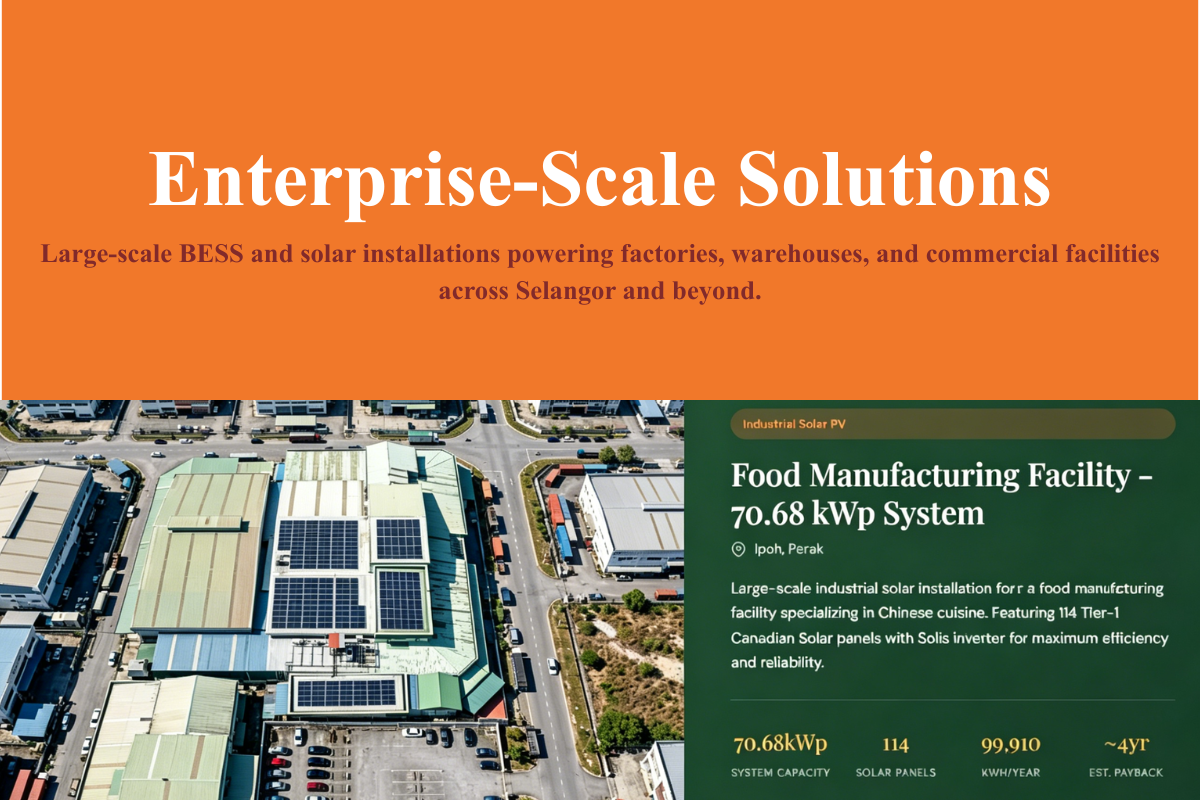
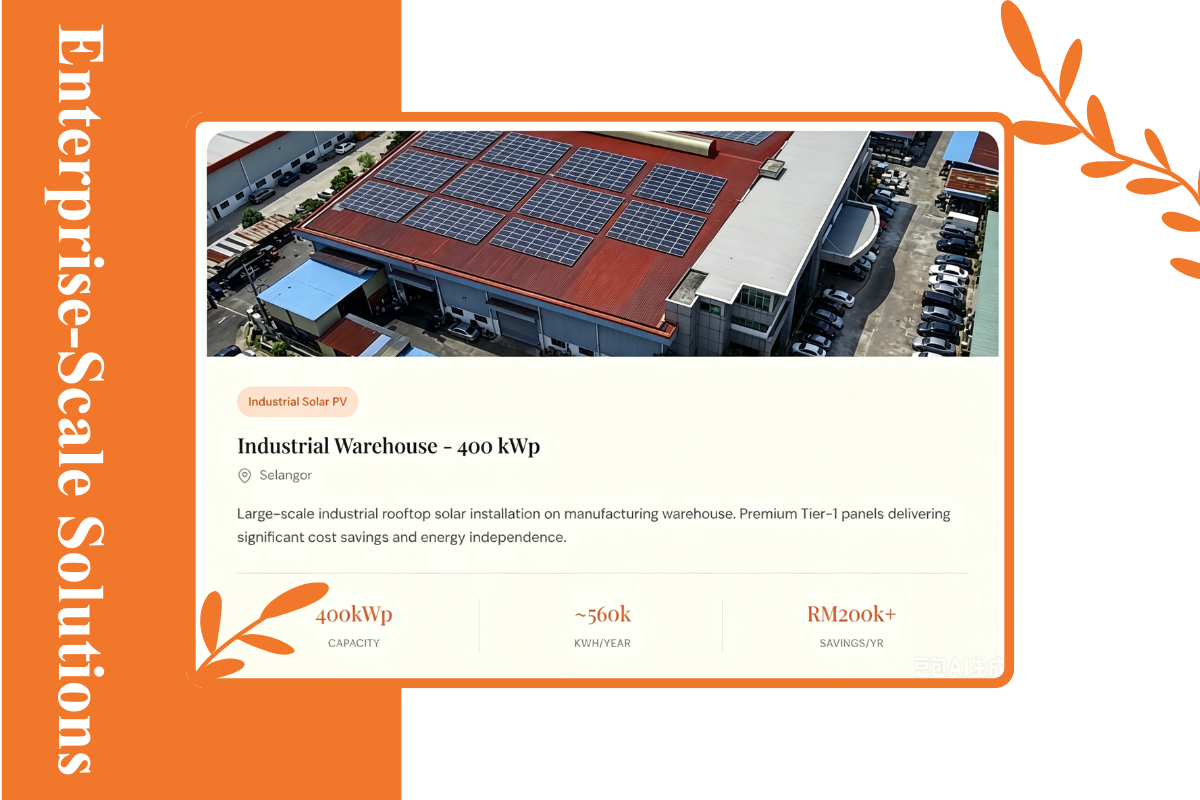
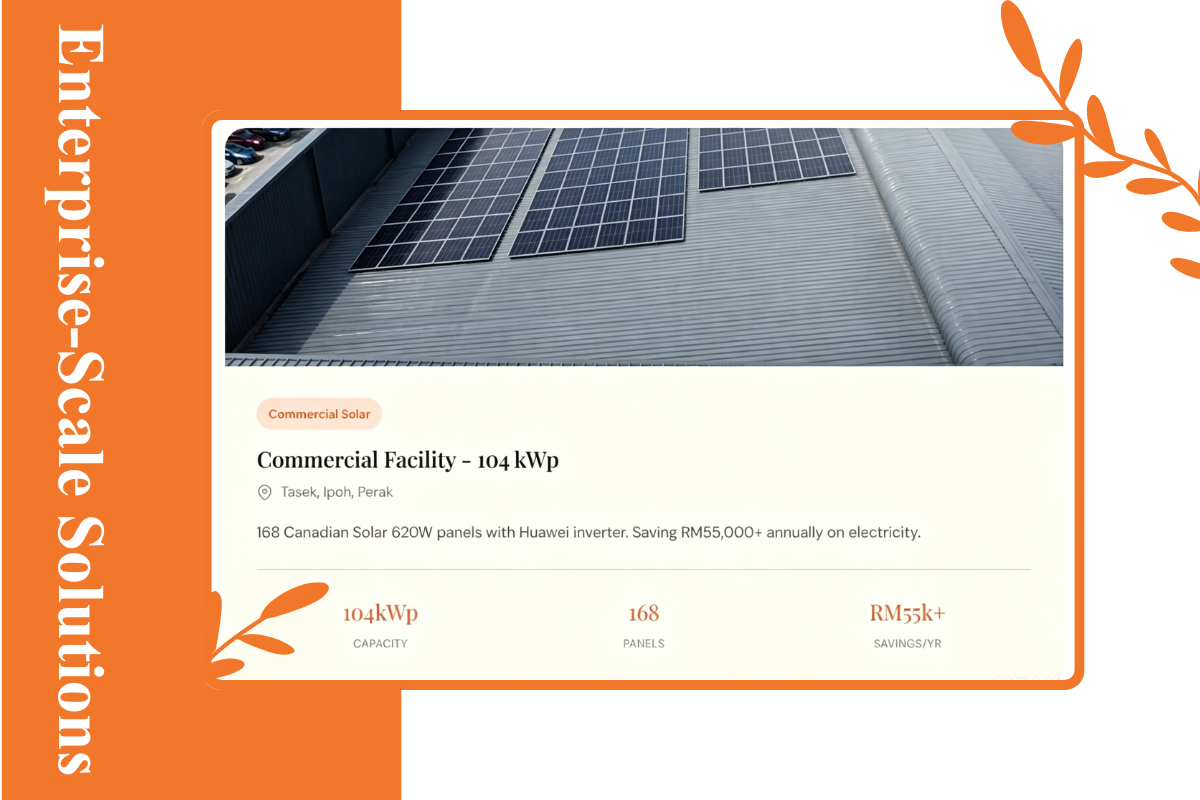
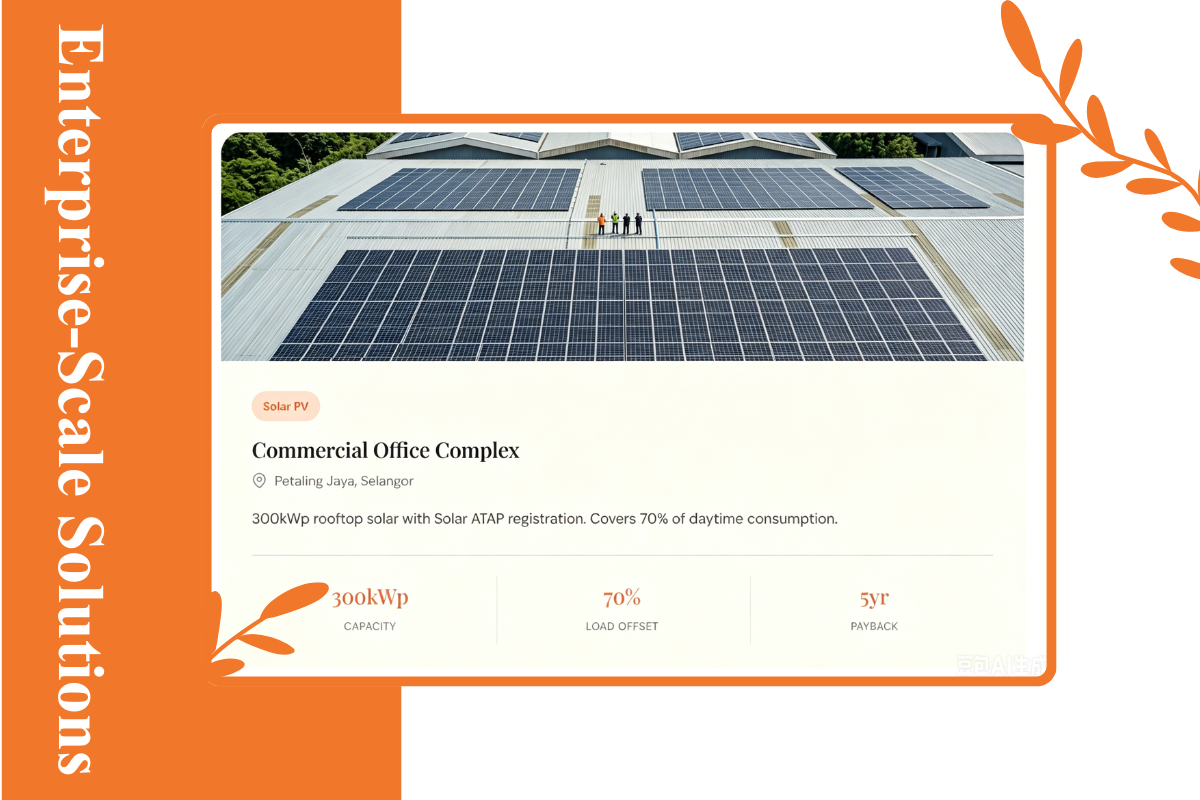


Traditional solar installation simply places panels on rooftops. These connect directly to the factory’s electrical system. This approach reduces daytime grid consumption certainly. However, it fails to address full cost-saving potential. Time-of-use tariff management offers greater benefits. The integrated Solar + BESS system for factories solves this limitation. JanaBina and Unibess add energy storage to the equation.
JanaBina designs custom solar PV systems for each factory. System size matches the factory’s consumption profile. Available rooftop area determines maximum capacity. Unibess supplies high-performance BESS solutions. These store excess solar energy from daylight hours. Factories can discharge this stored energy during peak periods. Peak tariff periods typically occur in the evening. Factories often operate continuously during these hours. This strategy effectively shifts energy consumption timing. The approach is called factory peak shaving and valley filling for electricity cost savings.
The UniBess Smart Energy Management System (EMS) automates optimisation. It monitors real-time consumption continuously. Solar generation data is processed instantly. Battery state of charge guides its decisions. Every discharge cycle achieves maximum efficiency. Factories typically achieve 20% to 40% cost reductions. The exact savings depend on consumption profiles. System size also affects the final results.
Reduce Electricity Bill Factory Malaysia : Straightforward Eligibility and Simple Steps for Industrial Solar and BESS Adoption


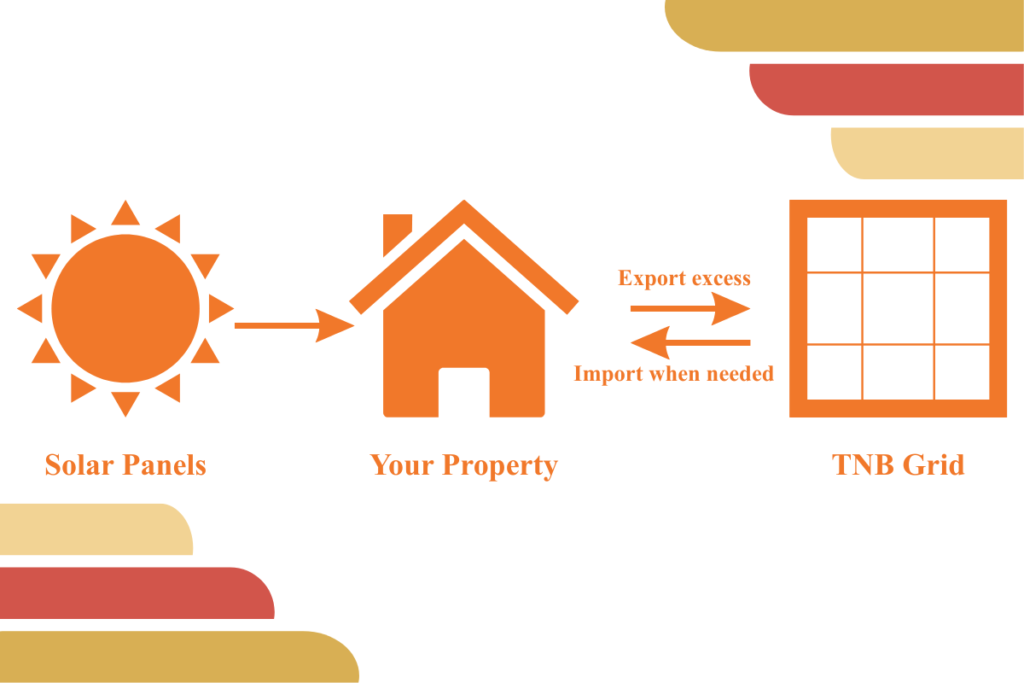
Factory owners often overestimate adoption complexity. The eligibility requirements are actually straightforward. The process is well-defined and manageable. A factory needs a TNB account in commercial or industrial categories. Sufficient rooftop or ground space is essential. The roof must be structurally sound. It must support the solar system’s additional weight.
For TNB industrial electricity cost optimisation, BESS integration requires no separate application. The battery operates entirely behind the meter. The existing electrical infrastructure must accommodate additional capacity. JanaBina conducts thorough site assessments to confirm compatibility. The application process involves TNB documentation preparation. System designs must be submitted for approval. Electrical single-line diagrams are required. Structural certification must accompany the application.
JanaBina manages all these administrative steps. This reduces the factory owner’s burden substantially. The company ensures all regulatory requirements are met. The entire timeline spans 4 to 10 weeks typically. System complexity affects the schedule significantly. TNB approval timelines also influence the duration.
Proven Safety, Compliance, and System Reliability for Malaysian Industrial Facilities


Factory owners need absolute confidence in their investment. Solar and BESS systems must operate safely for decades. JanaBina addresses this need through dual certification. SEDA and ST certification ensures full regulatory compliance. Installations meet Malaysian Standards consistently. IEC requirements are also strictly followed. MS IEC 62446 covers solar PV system verification. MS IEC 61727 addresses grid interconnection requirements.
All equipment comes from established international manufacturers. These manufacturers verify performance in tropical climates. Solar modules withstand high temperatures and humidity. Inverters operate reliably under challenging conditions. Batteries maintain performance over many cycles. Monitoring systems provide accurate real-time data. The solar energy storage system for Malaysian factories includes comprehensive safety features. Unibess integrates thermal monitoring throughout the system. Overcurrent protection prevents electrical hazards. Fire suppression interfaces add another safety layer. Automatic grid disconnection activates during fault conditions.
The UniBess Smart Energy Management System (EMS) provides real-time alerts. Factory owners can monitor system health from any device. Performance data is accessible 24/7. Beyond installation, JanaBina offers ongoing maintenance contracts. Performance monitoring continues throughout the system’s life. Preventive maintenance prevents unexpected failures. Inverter servicing maintains optimal efficiency. Emergency repairs are available when needed. Factory owners gain long-term support and predictable expenses.
About JanaBina and Unibess – Answers You Need to Know
1. What qualifications does JanaBina hold for solar installation?
JanaBina is a SEDA-registered Solar PV Installer. The company also holds ST certification as a licensed electrical contractor. CIDB G1/G2 contractor grading covers civil and structural works.
2. Can JanaBina handle the entire TNB application process?
Yes, JanaBina manages all TNB documentation submissions. The company coordinates TNB meter upgrades and grid connection. Installations meet all regulatory requirements for grid-connected systems.
3. What is factory peak shaving and how does it reduce costs?
Factory peak shaving and valley filling for electricity cost savings stores solar energy during off-peak periods. The system discharges this energy during peak tariff periods. This reduces expensive grid power reliance substantially.
4. What size solar + BESS system does my factory need?
System size depends on monthly consumption and rooftop area. Operating hours and tariff category also influence capacity requirements. JanaBina conducts a free preliminary assessment to determine optimal capacity.
5. How long does a solar + BESS installation take for a factory?
The full process takes 4 to 10 weeks typically. This includes site assessment and system design. TNB application, installation, and commissioning are also included.
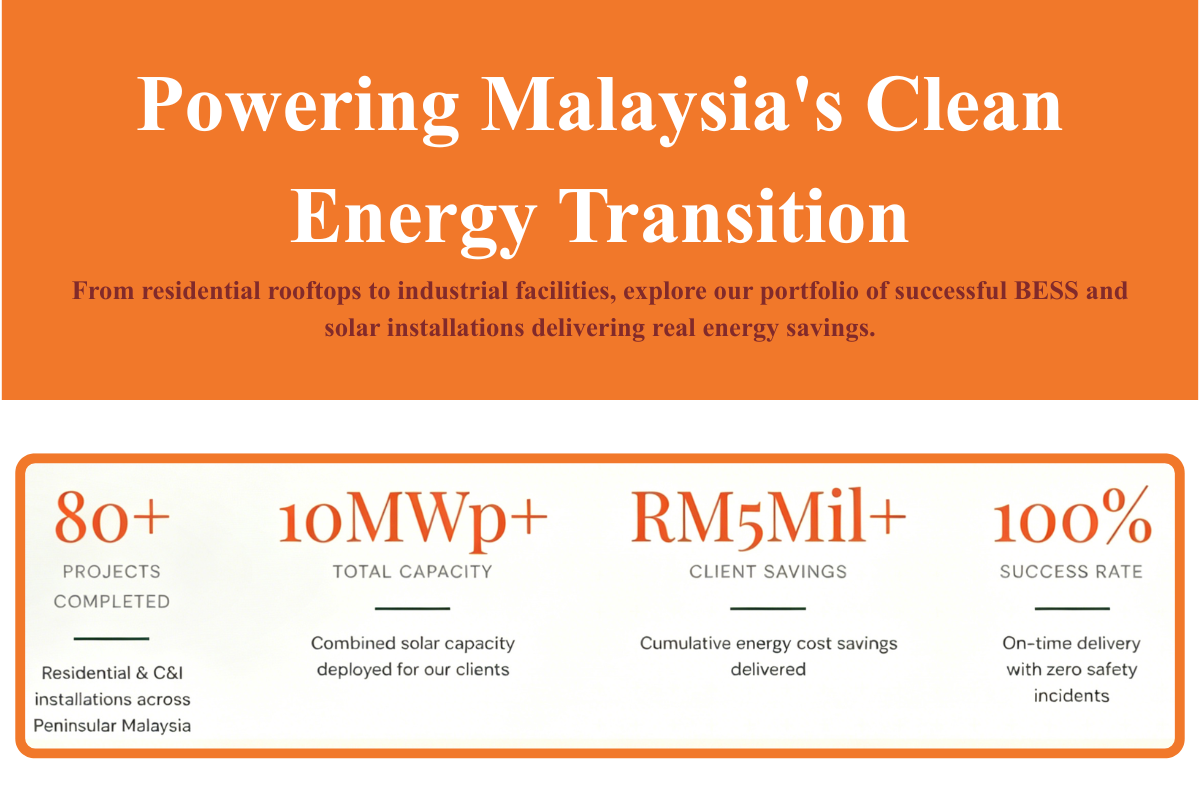
Factory owners need effective solutions to high factory electricity costs. JanaBina and Unibess deliver a complete energy optimisation package. The solution is compliant and proven. SEDA registration and ST certification guarantee quality. The team handles projects of any scale. Small manufacturing facilities benefit equally. Large industrial complexes see substantial savings.
Leave a Reply