
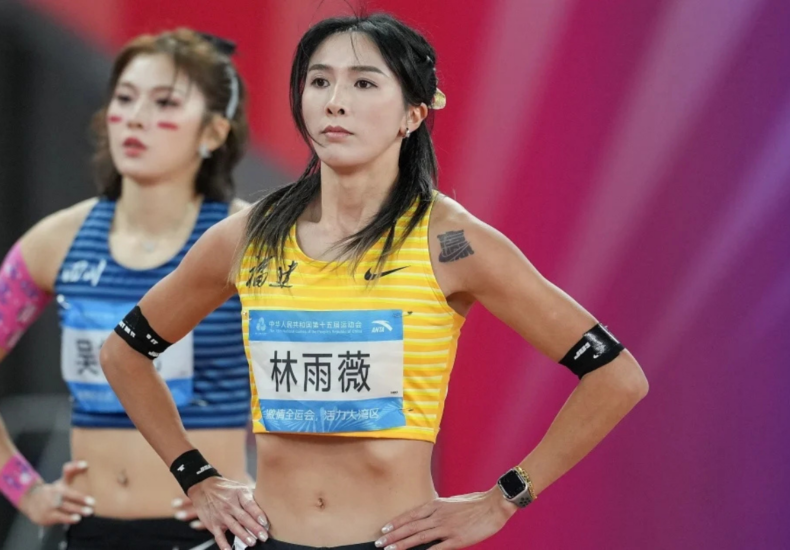
Road to Nagoya: China’s hurdlers battle for supremacy
Chinese Hurdler Lin Yuwei Comments on Competition Ahead of Asian Games
BEIJING, Dec 25 — Chinese athletics rivalry. As anticipation builds towards the 2026 Nagoya Asian Games, Chinese women’s 100m hurdler Lin Yuwei has voiced confidence in her chances to retain the title she won at the 2023 Hangzhou Asian Games. Despite facing strong domestic competition, notably from fellow Chinese hurdler Wu Yanni, Lin appeared cautious in publicly naming her rival, instead referring to her as “that Sichuan athlete.” This indirect mention has attracted attention in the athletics community and media. Lin’s comments come amidst a backdrop of heightened expectations from athletics stakeholders in China, where performance pressure on top athletes is notably intense. The rivalry between Lin and Wu also reflects ongoing dynamics in China’s athletics scene, which draws interest beyond the mainland, including in regions such as Selangor and Seri Kembangan where athletics programmes are developing.
Performance Highlights and Recent Events Shape the Rivalry
At the recent 2023 Hangzhou Asian Games, Lin delivered a personal best of 12.74 seconds in the 100m hurdles final, setting a new Asian Games record and securing qualification for the upcoming Paris Olympics. Wu Yanni, meanwhile, was disqualified in that same final due to a false start, a decision that left room for debate among observers in the athletics circuit. In the subsequent National Games held in November, Lin finished with the bronze medal behind Liu Jingyang, who claimed gold, and Wu who secured silver, shifting the competitive balance. Reflecting on her recent results, Lin noted minor errors during the National Games final. Explaining that clipping hurdles hampered her performance. Wu has publicly outlined her objectives ahead of retirement. Securing an Asian Games gold and achieving a top-eight finish at the Olympics underscore the competitive stakes. Both athletes’ pursuits are followed by sports enthusiasts in Malaysia and broader Southeast Asia, where athletics is gaining prominence.

Official Responses and Observations from Athletics Authorities
According to Chinese athletics officials, focus remains on preparing athletes for major upcoming competitions such as the Nagoya Asian Games and 2024 Paris Olympics. The China Athletics Association has emphasised the importance of mental resilience and technical consistency for hurdlers amid increasing public scrutiny. Statements from authorities highlight that while rivalries may draw media attention. The primary goal is to uphold high standards of competition and sportsmanship. No official comments have been released specifically addressing Lin’s indirect reference to her Sichuan competitor. Meanwhile, organisational efforts are ongoing to enhance athlete support systems, including coaching and injury prevention. These developments follow patterns observed globally where national governing bodies aim to balance performance pressures with athlete welfare.

Reactions Across Media and Industry Perspectives on Athlete Competition
Sports media in China and neighbouring regions have taken note of Lin’s remarks and the ongoing rivalry in women’s hurdling. Social media platforms have seen discussions around the dynamics between Lin and Wu. Often interpreting Lin’s choice of words as an attempt to manage competitive tension publicly. Industry experts comment that athlete rivalries are common but must be approached with professional decorum. As excessive focus on competition can sometimes affect performance and public image. Additionally, analysts view the current scenario as reflecting the growing depth in China’s athletics talent pool, which bodes well for regional and international events. The public’s interest in athletic events such as the Asian Games is also increasing in Malaysia. With local authorities encouraging youth participation and talent identification in track and field sports.
Potential Implications of the Rivalry on Sporting Events and Regional Athletics Development
In the short term, attention on Lin and Wu’s competition is likely to influence media coverage and audience engagement for athletics. Enhanced visibility may drive interest in athletics safety and regulatory standards, mirroring trends in traffic and public safety awareness campaigns across Selangor. In the longer term, this rivalry could contribute to overall improvements in training practices, athlete conditioning, and event organisation in China and neighbouring countries. Investment in sports engineering and technology. Aimed at improving performance and reducing injury risks for hurdlers, is also anticipated to grow. Such developments align with broader trends in sport governance focused on sustainable athlete development and competitive integrity. Overall, the evolving landscape in women’s hurdling will remain under close observation by sports authorities across Asia and Malaysia.
Leave a Reply