

Donate to Help Stray Dogs — What Is Really Happening Behind the Scenes
If yoIf you live in Johor Bahru, you’ve probably seen them. Near industrial areas, behind kopitiam, outside residential guard houses, or wandering near pasar malam stalls. Some are skinny. Others have patchy skin. When it rains, they hide under shop lots.Most of us feel something when we see them. Often, the first instinct is to donate to help stray dogs.Yet hesitation follows quickly. Will the money reach them? Is this genuine? Or just emotional posting?That pause is completely normal. Many people are not unwilling to help — they simply want to understand what’s really happening behind the scenes.
The Biggest Pressure Is Not Rescue — It’s Daily Survival


On social media, rescue cases usually grab attention: car accidents, abandoned mother dogs, newborn puppies. These posts feel urgent and emotional.
However, that’s only part of the story. The real long-term burden for any shelter is daily operational costs. This includes food, water, electricity, cleaning supplies, fence repairs, and general maintenance.
Food donations may sound simple, but for a shelter housing 80 to 100 dogs, the daily consumption is surprisingly high. This is why many Malaysian animal charities encourage monthly support rather than one-time donations. Stability matters more than occasional generosity.
When shelters don’t know how much funding is coming next month, even buying dog food becomes a calculated risk. Therefore, choosing to donate to help stray dogs regularly, even small amounts, allows shelters to plan instead of just react.
Medical Bills Are the Most Unpredictable Part


Many assume that once a dog is rescued and fed, the hardest part is over. In reality, that’s often just the beginning.
Stray dogs frequently suffer from skin infections, ear mites, untreated wounds, tick fever, or worse. Some require surgery. Others need long-term medication. Medical expenses are unpredictable.
Today it might be a vaccination. Tomorrow, a broken leg from a road accident. Next week, an emergency surgery. One case can cost thousands of ringgit.
So, when someone decides to donate to help stray dogs, a large portion often quietly goes into medical care that most people never see.
The Topic Few People Talk About: Neutering
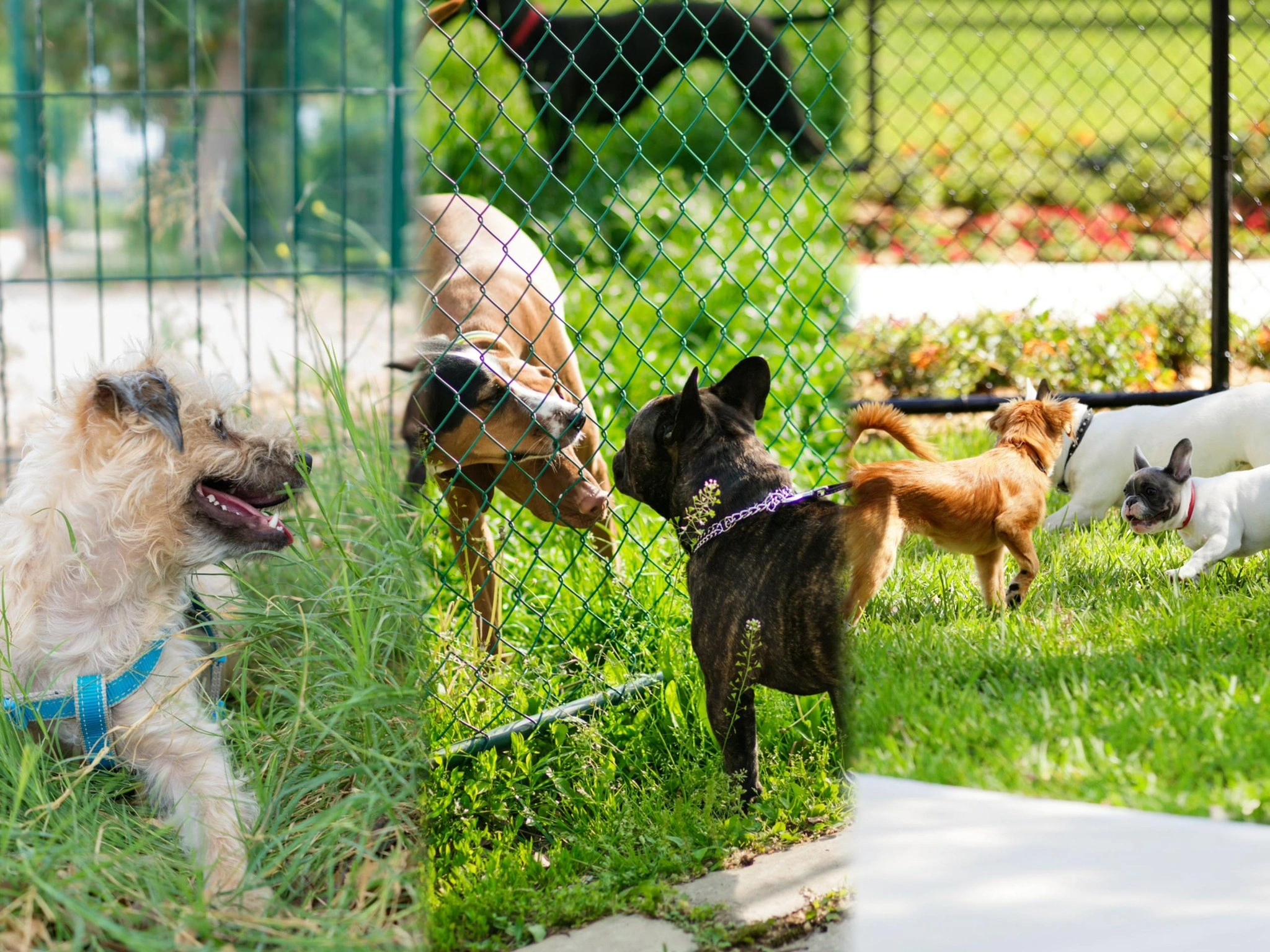

There is one area that rarely goes viral — neutering programs. It’s not dramatic. There are no emotional before-and-after photos and no viral rescue videos.
Yet, without neutering, the stray population keeps increasing. Groups like Xin Guang Pet understand that rescue alone cannot solve the problem. It’s like trying to scoop water out of a sink while the tap is still running; unless the source is controlled, the cycle continues.
Neutering is slow. Quiet. Its results are not immediately visible. But it is one of the most sustainable long-term solutions. Sometimes the most meaningful way to donate to help stray dogs is by supporting prevention, not just emergency rescue.
Online Donations Are Easy — Understanding Matters More

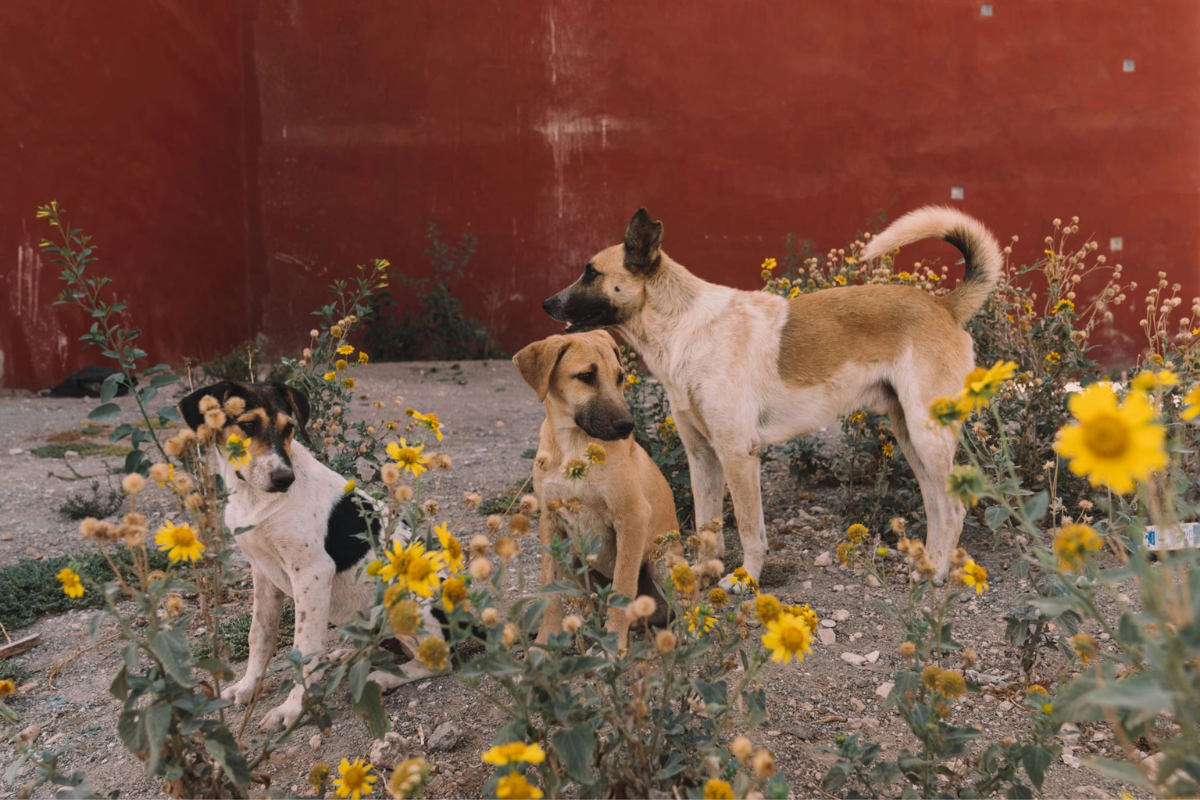
Today, online transfers make it quick and easy to donate to help stray dogs. Within minutes, anyone can contribute.
However, speed is not the most important part. Transparency matters more. Does the shelter provide updates? Do they share medical bills? Do they explain where the funds go?
Such clarity builds trust, especially within smaller communities like the Johor stray rescue circle. Many shelters do not have marketing budgets. They rely on steady supporters and word of mouth. Community care often keeps them running.
Not Everyone Has to Contribute Money
Let’s be realistic. The cost of living in Malaysia keeps rising, and not everyone can contribute financially.
Fortunately, support doesn’t only mean cash. Some people share posts. Others provide temporary foster homes, help transport dogs to the vet, or connect shelters with suppliers. All of these reduce pressure in different ways.
To donate to help stray dogs is one form of support, but it is not the only form. Understanding how shelters operate allows people to decide what they can realistically offer.
Change Is Rarely Dramatic
Some people say, “Even if we donate, there are still so many stray dogs.”
That is not entirely wrong. You still see them near shop lots or markets. At first glance, nothing seems to change.
Yet real change rarely looks dramatic. It appears as fewer puppies born on the street, fewer untreated injuries, and more stabilized shelter operations.
Malaysia’s stray dog issue will not disappear overnight, but it is not entirely hopeless. Progress is slower than social media suggests, but it is happening.
To donate to help stray dogs is not about being a hero. It is more about quietly participating in a long-term effort. You may never know which dog your contribution helped, and instant results are unlikely.
Still, many shelters continue to operate thanks to steady, quiet supporters. Once you understand how it actually works behind the scenes, the decision feels less emotional and more grounded.
Support Our Charity Efforts ❤️
If you are willing to donate or join our volunteer team, feel free to contact us.:
Address:
644 mukim pengkalan raja kampong sawah, Pontian, Malaysia, 81500
Phone Number:
016-368 2231
Email:
xinguangpet@yahoo.com
Leave a Reply