
Can you earn from AI games?
How to build games using AI tools that don’t just sit on your hard drive learn to launch and monetise with The9bit’s token rewards
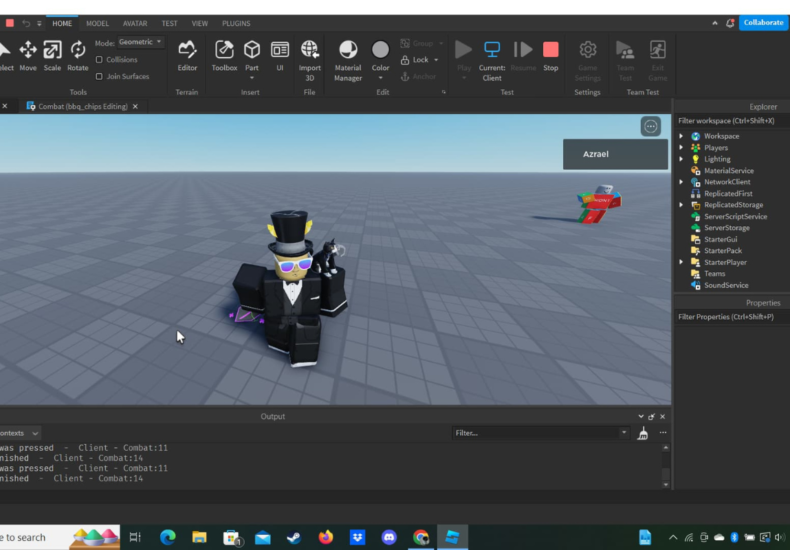
How to build games using AI tools is no longer a futuristic concept. The AI game creation process now includes no-code platforms. Automated asset generators, intelligent level design, and AI-assisted scripting tools that anyone can use. According to Google Cloud research, 90% of game developers are already using some form of AI in their development workflows. While 97% believe generative AI is actively reshaping the entire games industry. The generative AI in gaming market reached 1.79billion in 2025 and is projected to hit 5.09 billion by 2030. Growing at 23.2% annually. Whether you are building your first indie title or launching a commercial project. You can now build games with AI without writing a single line of code.
🔴 Quick Read
- 1️⃣ No-code AI builders let anyone publish fully playable games from a single text prompt
- 2️⃣ Game asset generation eliminates the need for an art team
- 3️⃣ AI scripting tools and level design accelerate the development workflow
- 4️⃣ The9bit is building an AI-powered gaming economy for creators
- 5️⃣ Why Malaysian developers are embracing AI-driven workflows
No-Code AI Builders Make Game Creation Accessible to Everyone
Traditional game development required programming skills in engines like Unity or Unreal. That barrier has collapsed. No-code AI game builders now allow anyone to describe a game in plain language and receive a fully playable prototype in minutes. UniGen, an end-to-end multi-agent framework presented on arXiv in September 2025. Generates runnable 3D Unity games entirely from natural language descriptions. The system uses four specialized AI agents that work together to produce executable C scripts. Handle scene construction, and perform real-time error correction.
A developer can simply type “Create a 3D platformer with moving platforms and enemies,” and UniGen builds the complete project automatically. The framework reduces development time by 91.4% compared to traditional coding methods and requires zero programming knowledge from the user. For Malaysian indie developers working with limited budgets and small teams. This kind of automation opens doors that were previously locked behind years of technical training.
AI Asset Generation Turns Text into Production-Ready Graphics
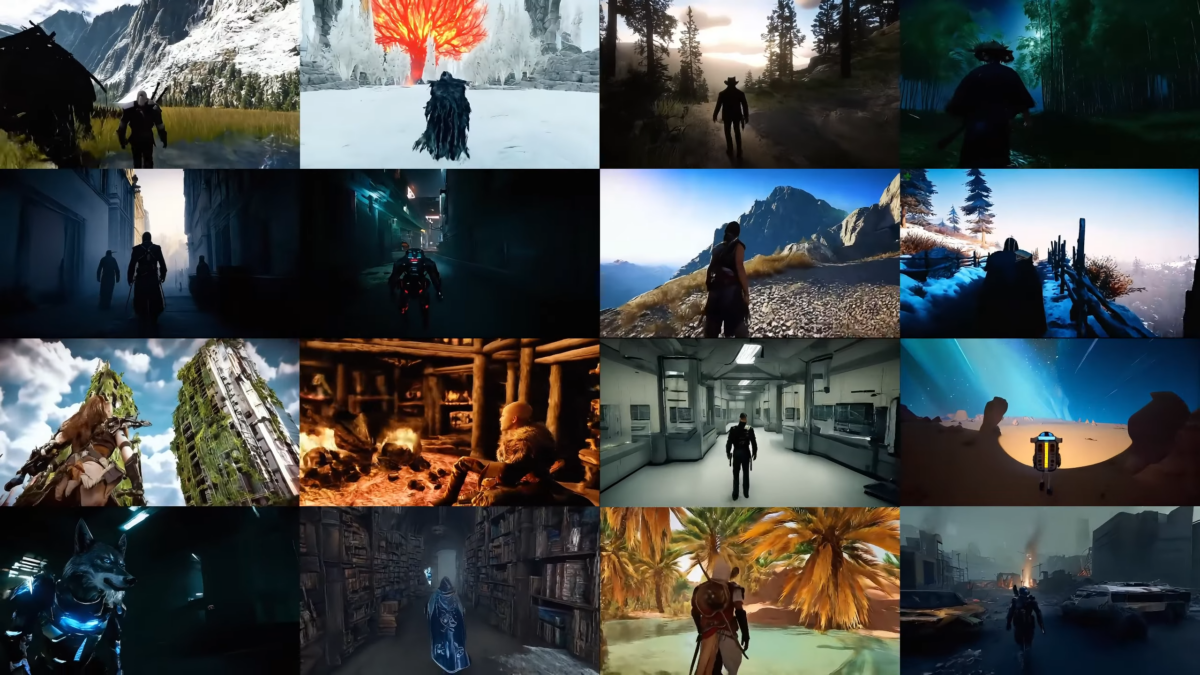
Art assets have always been one of the most expensive and time-consuming parts of game production. AI game asset generators are solving this problem by converting text descriptions into 2D sprites, 3D models, textures, and concept art within seconds. Leonardo.ai has become a go-to platform for game developers, offering 150 free tokens per day on its free tier. Which generates approximately 30 to 75 game assets daily. The platform specializes in consistent character creation across multiple assets, making it ideal for RPGs and character-driven games.
Paid plans start at 12 per month for 8,500 monthly tokens and go up to 60 per month for 60,000 tokens with commercial licensing. For larger studio needs, API access costs between 0.005 and 0.03 per image. PixelVibe, developed by Rosebud AI, generates production-ready 2D sprites directly from text descriptions. When combined with asset generators. The AI game development workflow can compress weeks of manual art production into a single afternoon.
| Feature | Traditional Development | AI-Assisted Development |
|---|---|---|
| Time to create 100 game assets | 4-6 weeks | 2-3 days |
| Cost per asset | RM200-500+ | 150 free tokens/day |
| Consistency across assets | Requires dedicated art director | Built into AI prompts |
| File format and engine compatibility | Manual export and conversion | Automatic with generator |
| Skill level required | Professional artist | Anyone with basic description skills |
Creating art has become the easiest step in production. The challenge now lies in designing interesting gameplay mechanics and balancing player progression.
AI Scripting Tools and Level Design Speed Up Everything
Game logic, enemy behavior, and player progression systems used to demand thousands of lines of hand-written code. AI scripting tools for games are now capable of generating complete gameplay systems from natural language instructions. According to Google Cloud research, 44% of developers are already using AI for code generation and scripting support. While 47% rely on AI for playtesting and gameplay balancing.
Code Maestro, an AI copilot integrated with the Unity engine, automates script refactoring, bug fixing, and SDK integration through conversational interaction. Beyond scripting, AI level design tools such as Meta WorldGen convert single text prompts into traversable 3D environments using LLM-driven reasoning and procedural generation. The global low-code AI development platforms market was valued at 6.8 billion in 2026 and is projected to reach 60.4 billion by 2034, growing at a CAGR of 31.5%. These tools are not experimental toys — they are production-ready systems actively used by indie developers and major studios.
The same Google Cloud study found that 95% of developers say AI is reducing repetitive tasks, allowing them to focus on strategic and creative concerns. Additionally, 36% of developers use AI for dynamic level design, animation, and dialogue writing. For Malaysian game developers working in smaller teams or solo, these tools multiply what a single person can accomplish in a given timeframe.
The9bit Is Building an AI-Powered Gaming Economy for Creators

As how to create a game using AI tools becomes more accessible, platforms like The9bit are emerging to help creators publish, share, and earn from their work. The9bit is a Web3.5 gaming platform built on the Solana blockchain and operated by The9 Limited (NASDAQ: NCTY), the same company that brought World of Warcraft to mainland China. The platform has surpassed 7 million registered users as of February 2026.
More than 38,000 active users and space owners have collectively received over 32.8 million ecosystem tokens for their contributions to the platform. The9bit is now accelerating AI Game Development (AIGD), a new AI-assisted creation layer that lowers the barrier for anyone to publish a game. Users can turn a great idea into a fully playable game using built-in AI tools, and creators are rewarded with tokens for every game that gains traction.
For creators in Malaysia, The9bit provides an immediate publishing channel with auto-generated wallets, local fiat support, and optional KYC — removing the friction that often keeps traditional gamers away from Web3 platforms. The platform recorded 230,000 average daily active users and over 8.1 million on-chain transactions as of early 2026. As AI game development becomes more accessible, having a distribution platform that already has millions of players waiting to try new games changes the economic equation for indie developers.
Why Malaysian Developers Are Embracing AI-Driven Workflows
Malaysia’s game development community is actively exploring how best AI tools for game development can help local studios compete on a global stage. Academic research conducted at Universiti Tun Hussein Onn Malaysia and the Malaysian Government Industry Group for High Technology has examined how AI algorithms can expand game production capabilities across the country. The research developed four scenarios for Malaysia’s games industry over the next ten years, with AI integration identified as a core factor enabling smaller teams to produce higher-quality work.
The global game creation platform market was valued at 1.01 billion in 2025 and is projected to growat 13.52.75 billion. No-code and low-code platforms are driving this growth by enabling non-programmers to enter game development. For Malaysian creators, this means that AI game development without coding is no longer a distant dream — it is happening right now. Whether you are building a mobile casual game, a Web3-enabled RPG, or an experimental narrative project, the tools exist today to turn your idea into a functioning product without hiring a full studio.
The AI game creation process has fundamentally changed. You no longer need to be a programmer, an artist, or a level designer to build a game. You only need an idea and the willingness to learn a few AI tools. Start with Leonardo.ai for art, experiment with UniGen for full game generation, explore GDevelop for no-code logic, and once your game is ready, publish it on platforms like The9bit to reach an audience of millions. The best time to start building with AI was six months ago. The second best time is today.
Official Website: https://the9bit.com/
🤔 How Much Does AI Actually Reduce Game Development Time?
Here are the real numbers from developers using AI tools right now.
Leave a Reply