

SEA is sleeping on this tool
While North America fights over AI game tools, Southeast Asia quietly found a platform that pays you to create here’s The9bit
An AI game development platform Southeast Asia helps creators turn game ideas into playable products faster than ever before while generating real income. The global AI in gaming market is projected to reach USD 49.66 billion by 2036, representing a compound annual growth rate of 25.5% from 2026 onward. The global indie game market stood at USD 4.85 billion in 2025 and is forecast to surge to USD 5.54 billion in 2026, ultimately reaching USD 10.83 billion by 2031. For developers across Southeast Asia, this represents an unprecedented opportunity to monetize their creative work without years of programming study or large upfront investment.
🔴 Quick Read
- 1️⃣ Why Southeast Asia’s gaming market is a money magnet for creators
- 2️⃣ How AI slashes game development costs and speeds up launch timelines
- 3️⃣ Three proven monetization models for game creators in 2026
- 4️⃣ Real earnings snapshot: What AI game developers are making right now
- 5️⃣ How to start earning on an AI game development platform today
Why Southeast Asia’s gaming market is a money magnet for creators

The Southeast Asia game tech ecosystem is expanding at a remarkable pace. According to the Ampverse Playbook industry report, the region already has approximately 290 million gamers as of 2025, with forecasts expecting this to exceed 330 million by 2028 across a total population of more than 670 million. Gaming revenue in Southeast Asia reached about USD 6.6 billion in 2025, with projections ranging from USD 7 billion by 2028 to more than USD 16 billion by 2030. The broader ecosystem—spanning creators, communities, esports, and brand activations—is projected to reach as high as USD 14 billion by 2030.
For indie game developers in SEA, the opportunity is clear. Mobile gaming alone accounts for around 70% of the region’s gaming revenue, with mobile games projected to generate about USD 4.8 billion by 2028. The region also recorded nearly 2 billion mobile game downloads in a single quarter, placing Southeast Asia among the top global markets for game installs. More than half of Southeast Asian gamers regularly watch gaming-related content across livestreams, YouTube, and social platforms—indicating a shift from passive consumption to engagement-driven participation.
Investment capital is flowing into the Southeast Asia game tech ecosystem as well. Firstpoint VC launched a EUR 50 million (USD 58.7 million) fund in April 2026 specifically targeting AI-driven gaming and entertainment startups across emerging markets, including Southeast Asia. Vietnamese game studio Panthera completed a USD 1.5 million seed round in January 2026, while regional seed-stage deals totaled USD 17.7 million across just two Singapore-based investments in March 2026.
How AI slashes game development costs and speeds up launch timelines
The most immediate advantage of an AI game development platform Southeast Asia is efficiency. A Chinese four-person micro-studio used AI-assisted coding and asset generation to build an ORPG map in just one month, achieving million-yuan (approximately USD 140,000) revenue after launch. Traditional development for a comparable game would require at least three months of work.
In that workflow, AI handled approximately 65% of the programming logic, with all critical visual assets including environments, characters, and effects generated by AI systems. The team reported that their monthly AI services expenditure was only a few hundred yuan, replacing the workload of two senior programmers. This pattern is becoming standard across the AI gaming industry Southeast Asia. A studio founder noted that in a typical three-person team, programmers used to be the busiest; now AI handles the bulk of foundational work, freeing the team to focus on understanding what players actually want.
AI adoption in gaming Asia has moved from experimental to production-ready. Studies show AI tools can cut game development costs by nearly half. For solo developers, this means a single person can now perform work that previously required full teams. At the 2026 Asia Pacific Game Summit, industry speakers confirmed that generative AI has officially entered a mass-producible, deployable phase, rapidly reshaping how games are built across the region.
Three proven monetization models for game creators in 2026
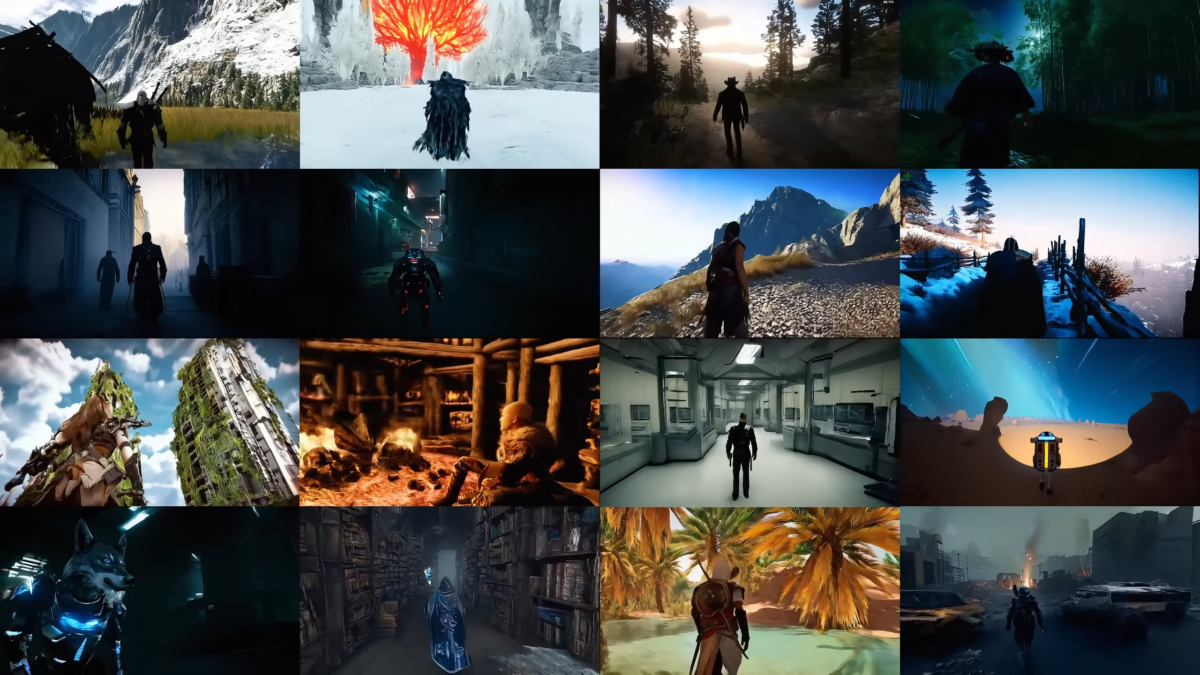
The question is no longer whether you can build a game with AI, but how you can earn from it. An AI game development platform Southeast Asia typically offers three mainstream monetization channels.
1. Token-convertible rewards from community activity
AI gaming startups SEA have pioneered reward models where creators earn tokens simply by being active—completing daily missions, posting content, leading Spaces, and growing player communities. The9bit, for example, has distributed over 32.8 million 9BIT tokens to more than 38,000 active users as of February 2026. The platform crossed 7 million total registrations with 1.44 million unique active wallets and 8.1 million on-chain transactions. This model works because the economy is anchored in real spending activity: game purchases, in-game top-ups, and advertising embedded within casual titles.
2. Revenue sharing from in-game purchases and top-ups
Game development platforms Asia increasingly share revenue from top-ups and game reloads with creators. When players purchase in-game currency, skins, or passes for popular titles like Genshin Impact, PUBG, or Resident Evil, platforms distribute a portion of that spending to contributing developers and community members. The revenue potential is substantial given the scale of the mobile gaming market Southeast Asia. Indonesian gamers alone account for 43% of regional mobile game downloads, with more than 150 million players in that country alone.
2. Payment models compared
The best AI game platforms in Southeast Asia typically combine multiple monetization models, allowing creators to diversify their income streams rather than relying on a single source. The table below compares the three primary earning methods for AI game creators in 2026.
| Earning Model | Time to First Revenue | Skill Level Required | Revenue Potential |
|---|---|---|---|
| Token-Convertible Rewards | Short (days to weeks) | Beginner | Consistent daily earning through activity completion |
| Revenue Sharing (Top-ups) | Medium (weeks to months) | Intermediate | Scalable with player base and game popularity |
| Advertising Revenue | Short to Medium | Beginner to Intermediate | Passive income based on game traffic and engagement |
Successful creators often combine these models. A single game might earn token rewards through community engagement, generate advertising revenue from player traffic, and collect top-up sharing when players make in-game purchases—all simultaneously.
What AI game developers are making right now
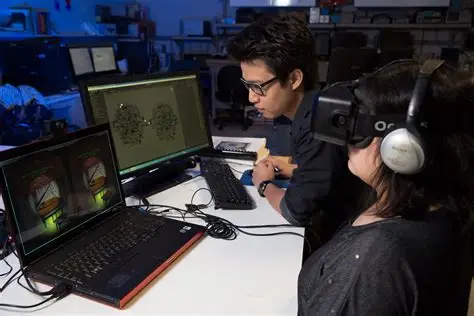
The future of AI gaming in Asia is already delivering real results. The9bit generated USD 2.25 million in total platform revenue as of early 2026, with over 230,000 average daily active users and more than 125,000 paying users. This revenue flows directly from three sources: IP game sales, game reloads (top-ups), and advertising.
For individual creators, the earnings potential is meaningful. A four-person studio using AI development tools achieved million-yuan (approximately USD 140,000) revenue within a short timeframe after launch, validating that AI-assisted game development can produce commercially viable products. In that studio‘s workflow, AI assumed about 65% of the programming workload—dramatically reducing labor costs while maintaining quality.
Compare these numbers to traditional game developer salaries. In Malaysia, a full-time game developer earns between RM 60,000 and RM 180,000 (USD 12,700 to USD 38,000) annually, with Kuala Lumpur offering the highest salaries in the region. A senior Unreal Engine developer in Malaysia commands monthly salaries of RM 9,500 to RM 15,000. However, as an independent game creator on an AI platform, developers can potentially exceed these figures without the fixed overhead of employment, as earnings scale based on player engagement rather than hourly wages.
How to start earning on an AI game development platform today
Getting started requires four straightforward steps.
- Choose a platform that offers integrated monetization—look for best AI game platforms in Southeast Asia with published reward structures and active user communities.
- Build your first playable game using AI generators, focusing on simple mechanics and clear win conditions rather than complex graphics.
- Launch your game and join community spaces to promote it, earn activity rewards, and gather player feedback.
- Diversify your earning streams by adding top-up options, advertising placements, and engaging in platform missions simultaneously.
The AI adoption in gaming Asia has reached a point where barriers to entry are lower than ever. Developers no longer need to master multiple programming languages or invest months in asset creation. What matters now is creativity, understanding player behavior, and choosing the right platform partner.
The window of opportunity for early adopters on AI game development platforms is open now. As gaming industry growth Southeast Asia accelerates toward the USD 16 billion mark by 2030, the value created for game makers will only increase. Independent creators who start today will be positioned to capture recurring revenue from established games while building the community relationships that drive long-term success.
Southeast Asia stands as one of the most dynamic gaming markets globally, with over 290 million active gamers and mobile-first adoption driving year-on-year growth. The AI game development platform Southeast Asia tools required to participate are available now. The platforms ready to reward creators are active now. The only remaining factor is action.
Begin by exploring an AI game development platform that aligns with your skill level. Build your first game. Join a community. Start earning.
Official Website: https://the9bit.com/
Can beginner developers really earn money on AI game platforms in 2026?
Real answers based on current platform performance and market data.
Leave a Reply