
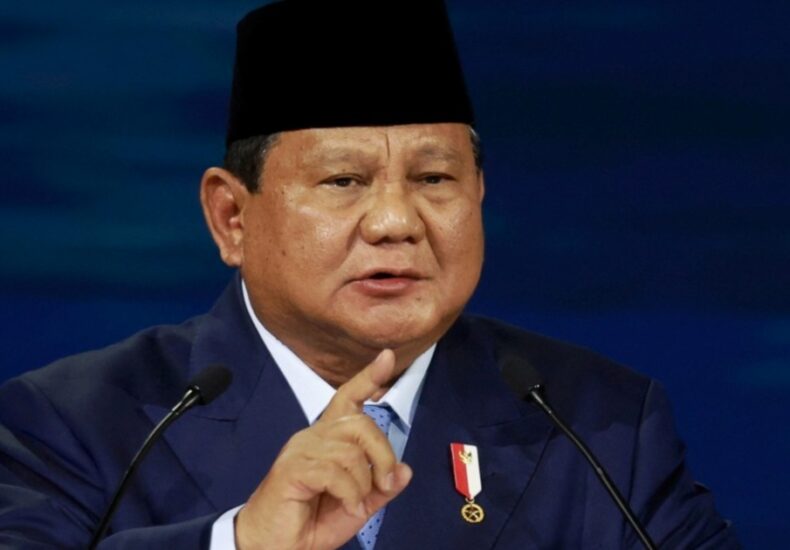
Indonesia Replaces Finance Minister Purbaya Yudhi Sadewa, Elevating Deputy Suahasil Nazara Amid Investor Confidence Crisis
Indonesia’s fiscal management has come under mounting scrutiny over the past year, as Southeast Asia’s largest economy — a member of the G20 with a GDP valued at approximately US$1.4 trillion — has faced a deteriorating investment climate, a weakening rupiah, and a widening fiscal deficit. Against this backdrop of economic turbulence, Indonesian President Prabowo Subianto has moved decisively to restructure his economic team. Reportedly, the dismissal of Finance Minister Purbaya Yudhi Sadewa and the immediate appointment of his deputy as a replacement represents one of the most significant cabinet reshuffles in Indonesia’s recent economic governance history.
President Prabowo Subianto Officially Announces Cabinet Reshuffle, Elevating Suahasil Nazara to Finance Minister
President Prabowo Subianto’s office officially confirmed on Monday, September 14, 2026, the termination of Finance Minister Purbaya Yudhi Sadewa and the concurrent inauguration of Suahasil Nazara as the new Minister of Finance. The swearing-in ceremony was held at the state palace in Jakarta, where Suahasil and other senior officials were present to formalise the transition. Purbaya, 61, was notably absent from the ceremony, having been seen departing earlier during a parliamentary hearing.
Suahasil Nazara, who has served as Deputy Finance Minister since 2019 — a tenure spanning more than seven years — brings institutional continuity to the role. Following his inauguration, Suahasil issued a clear statement of fiscal priorities. “The priority is to run a credible state budget,” Suahasil stated. “I will continue to run a trustworthy state budget, ensure trustworthy public communication, and also ensure that what the state budget does supports the government’s priority programmes.” He further committed to maintaining Indonesia’s fiscal deficit below the legislated ceiling of 3 per cent of GDP — a threshold that had been under pressure during his predecessor’s tenure.
Indonesia’s Fiscal Deficit and Credit Rating Outlook Deterioration Drive the Leadership Change
The cabinet reshuffle comes at a critical juncture for Indonesia’s economic management, with Purbaya’s dismissal occurring just days after he marked one year in office. Purbaya had originally been appointed by President Prabowo in September 2025, replacing long-standing Finance Minister Sri Mulyani Indrawati, as the administration sought to prioritise aggressive pro-growth policies over fiscal prudence.
During his year in office, Indonesia’s economic landscape deteriorated markedly. The rupiah experienced significant depreciation, and the fiscal deficit expanded at a pace that alarmed international creditors and market analysts. Purbaya’s policy of injecting rapid liquidity into the banking system to stimulate growth generated friction with Bank Indonesia, the country’s central bank, further undermining policy coordination credibility.
The consequences were measurable. Two major international credit ratings agencies downgraded Indonesia’s credit rating outlook from positive to negative during 2026, directly citing policy uncertainty and expansionary fiscal spending plans. The downgrades weighed heavily on investor sentiment toward the G20 economy.
The final controversy to define Purbaya’s tenure involved sovereign wealth fund Danantara Indonesia. Purbaya made a sudden public announcement that Danantara would transfer 120 trillion rupiah — equivalent to approximately US$6.8 billion — of its profits to the government to bridge the fiscal deficit. The head of Danantara subsequently stated that no such plan had been discussed or agreed upon, exposing a serious breakdown in inter-institutional communication and further eroding investor confidence.
Suahasil Nazara’s Appointment Targets Investors, Analysts, and Indonesia’s International Economic Partners
A segment of the international financial community and domestic market participants has long expressed concern about the direction of Indonesia’s fiscal policy under the Prabowo administration, and the appointment of Suahasil Nazara is being interpreted as a direct response to these concerns. The reshuffle addresses a well-documented crisis of confidence among investors and economists, who had grown increasingly uneasy with the combination of rapid spending growth, a weakening currency, and inconsistent policy messaging emanating from the Finance Ministry.
According to the president’s office, the leadership transition is designed to restore credibility to Indonesia’s fiscal framework. Suahasil’s profile — a career technocrat with over seven years as Deputy Finance Minister and deep familiarity with the ministry’s internal operations — is seen as a signal that the administration is prioritising institutional stability and transparent public communication over political expediency.
The appointment is also expected to reassure international rating agencies and foreign investors who have been monitoring Jakarta’s fiscal discipline commitments. Whether the change is sufficient to reverse the negative credit rating outlook assigned by two agencies earlier in 2026 remains to be seen, but analysts broadly characterised the move as a step toward greater policy consistency.
Purbaya Yudhi Sadewa’s One-Year Tenure Marked by Economic Shocks and Policy Controversy
Public records and parliamentary proceedings document a turbulent twelve months under Purbaya Yudhi Sadewa’s stewardship of Indonesia’s Finance Ministry. Appointed in September 2025, Purbaya succeeded Sri Mulyani Indrawati, whose tenure was widely regarded as a benchmark of fiscal discipline and international credibility. The transition from Sri Mulyani to Purbaya itself signalled a shift in economic philosophy — from conservative fiscal management to a more aggressive growth-stimulus orientation.
Over the following year, Indonesia’s economy absorbed a series of compounding shocks. The rupiah fell sharply against major currencies, increasing the cost of servicing external debt and importing essential commodities. The fiscal deficit expanded, straining the government’s own legislated 3-per-cent-of-GDP ceiling. Friction between the Finance Ministry and Bank Indonesia over monetary and liquidity policy became a matter of public record, with central bankers reportedly expressing concern about the pace and scale of liquidity injections.
The Danantara episode proved to be the decisive inflection point. Purbaya’s unilateral announcement of a 120-trillion-rupiah transfer from the sovereign wealth fund — a claim subsequently contradicted by Danantara’s own leadership — was characterised by analysts as a serious governance failure. Purbaya did not immediately respond to media requests for comment following his dismissal.
Frequently Asked Questions About Indonesia’s Finance Minister Reshuffle
Who replaced Indonesia’s Finance Minister Purbaya Yudhi Sadewa? Suahasil Nazara, who served as Deputy Finance Minister since 2019, was appointed as Indonesia’s new Finance Minister on September 14, 2026, following the dismissal of Purbaya Yudhi Sadewa by President Prabowo Subianto.
Why was Purbaya Yudhi Sadewa dismissed as Indonesia’s Finance Minister? Purbaya Yudhi Sadewa was dismissed after one year in office amid a crisis of investor confidence, a falling rupiah, a widening fiscal deficit, friction with Bank Indonesia over liquidity policy, and a disputed announcement claiming sovereign wealth fund Danantara would transfer 120 trillion rupiah (US$6.8 billion) to the government — a claim Danantara’s leadership denied.
What did Suahasil Nazara say after being sworn in as Finance Minister? Following his inauguration at the state palace, Suahasil Nazara stated that his priority is “to run a credible state budget,” and committed to maintaining Indonesia’s fiscal deficit below the legally mandated ceiling of 3 per cent of GDP while ensuring transparent public communication.
How did Indonesia’s credit rating change during Purbaya’s tenure? Two international credit ratings agencies downgraded Indonesia’s credit rating outlook from positive to negative during 2026, citing policy uncertainty and concerns over fiscal spending plans under Purbaya Yudhi Sadewa’s tenure as Finance Minister.
Who was Indonesia’s Finance Minister before Purbaya Yudhi Sadewa? Sri Mulyani Indrawati was Indonesia’s long-serving Finance Minister before Purbaya Yudhi Sadewa. Prabowo appointed Purbaya in September 2025 to replace Sri Mulyani as the administration shifted toward more aggressive pro-growth economic policies.
What was the Danantara controversy involving Purbaya Yudhi Sadewa? Shortly before his dismissal, Purbaya publicly announced that sovereign wealth fund Danantara Indonesia would transfer 120 trillion rupiah (approximately US$6.8 billion) of its profits to the government to help meet Indonesia’s fiscal deficit target for 2026. The head of Danantara subsequently stated that no such plan had been discussed, creating a significant credibility problem for the Finance Ministry.
How long had Suahasil Nazara served as Deputy Finance Minister before his promotion? Suahasil Nazara served as Indonesia’s Deputy Finance Minister from 2019 until his appointment as Finance Minister on September 14, 2026 — a period of more than seven years in the ministry’s senior leadership.
A Pivotal Transition in Indonesia’s Fiscal Leadership
The appointment of Suahasil Nazara as Indonesia’s Finance Minister represents a direct governmental response to sustained investor concern and fiscal instability that defined the final months of Purbaya Yudhi Sadewa’s tenure. With two credit rating downgrades in 2026, a weakened rupiah, and the Danantara controversy fresh in market memory, President Prabowo Subianto’s decision to elevate a seasoned technocrat with over seven years of deputy-level experience signals a recalibration toward institutional credibility and fiscal discipline. Whether the reshuffle succeeds in restoring the confidence of investors and international rating agencies in Southeast Asia’s largest economy will depend on the policy actions that follow Suahasil Nazara’s inauguration.
This report is based on statements from the Indonesian President’s office and public records as of September 14, 2026.
Leave a Reply