

Malaysian Woman’s China Trip Sparks Outrage, Public Apology Fails to Silence Critics
(Batu Pahat, June 20) The long-awaited Malaysian woman China travel apology has arrived, as the woman whose video mocking Chinese locals went viral earlier this month finally broke her silence — though questions about the sincerity of her statement persist, even as the controversy continues to spark debate on travel etiquette, online accountability and cross-cultural respect.
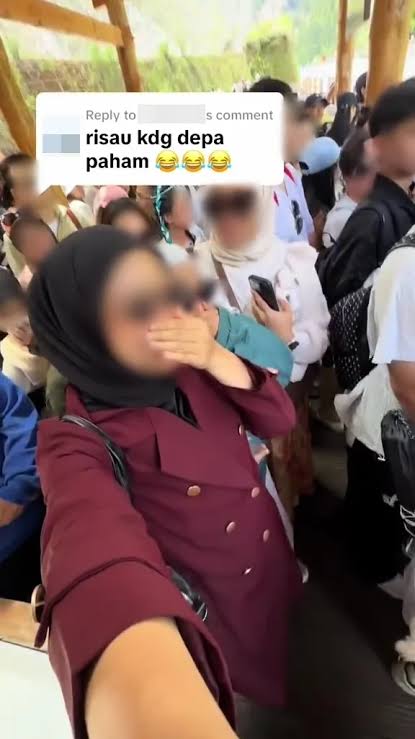
Nur Asyiqin filmed the clip during a China holiday trip, in which she was seen covering her nose and making pointed comments about the personal hygiene of local Chinese residents, asserting that they were malodorous and unwashed. The footage spread extensively across social media, drawing immediate and substantial criticism from netizens in both Malaysia and China.
Rather than responding to the public outcry with humility, Nur Asyiqin chose an approach that surprised many. She dismissed her critics as individuals engaged in defamation and announced she would be pursuing legal action against those responsible for spreading the video and attacking her reputation. The announcement triggered a fresh surge of public anger and attracted greater media interest in the story.
Over the days that followed, prominent Malaysians spoke out about the incident, and overseas news organisations began covering it — adding pressure to an already difficult situation for Nur Asyiqin. The realisation that the incident was damaging not only her own reputation but also the broader image of Malaysian tourists appeared to be a turning point.
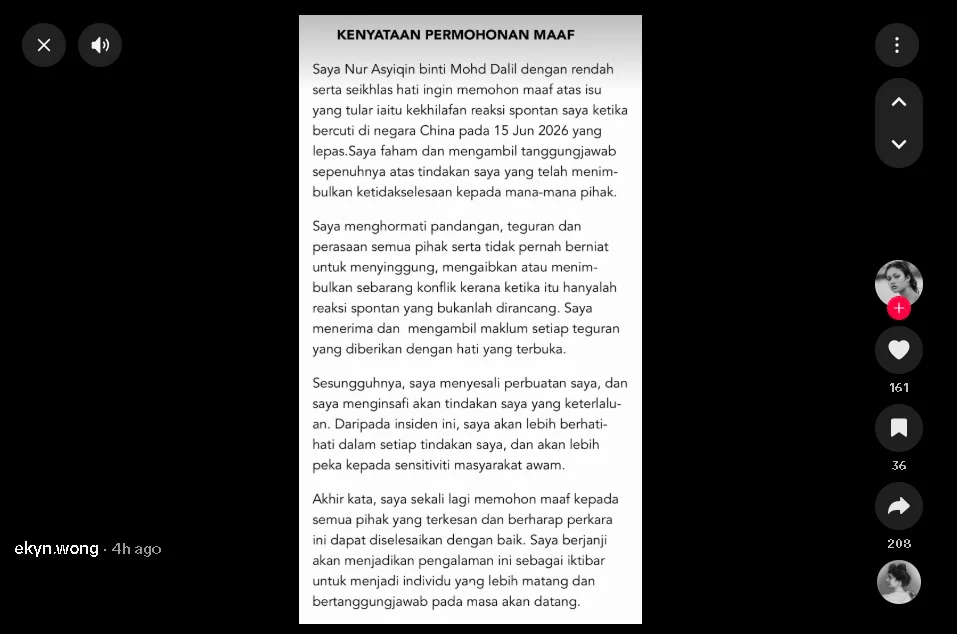
She ultimately posted a formal apology video to her TikTok account, conceding that her conduct had been wrong and disproportionate, and expressing remorse for the offence she had caused. She maintained that the original incident had been the result of an unguarded moment rather than deliberate intent, and committed to taking full responsibility for everything that had followed. She also pledged to hold herself to a higher standard in all future public interactions, particularly in contexts involving cultural differences or sensitivity.
Leave a Reply